
Gut health is crucial to animal health. It’s 2025 and as pet owners we must know what can cause issues for our dog via their routine and any illness symptoms from the past or medical history of the dog to avoid them going through a rough patch of illness. Let’s find out more about causes like medications, stress and changes in diet impact on the health of the dog.
While medications are lifesaving for so many diseases and medical conditions, they have side effects that directly or indirectly affect gut health. Some kinds of medications can cause a dog’s upset stomach affecting the overall health of gut flora.
These medications for a dog’s upset stomach are linked with changes in the gut microbiome and an increase in the risk of infections. These medicines include proton pump inhibitors. The side effects include belching, bloating, constipation diarrhea, and reduced appetite.
These include NSAIDs (non-steroidal anti-inflammatory drugs). These commonly cause acute gastric erosion and chronic gastric ulceration. These can contribute to vomiting, blood in stool, abdominal pain, and lack of appetite.
These significantly drop microbial numbers and diversity and their effect can long for months and even years. They also have side effects that include stomach irritation, poor appetite, vomiting, and diarrhea. You need to speak to the doctor if your dogs suffer from bad side effects from the prescribed medications.
Note: Medications affecting your dog’s gut may lead to noticeable symptoms like vomiting or changes in behavior. Learn more about the symptoms of poor gut health in dogs to understand the signs you should look out for.
The dogs often walk in the home and the park when they go out to play, during which they can eat the things they should not be. It can cause behavioral changes, vomiting, or diarrhea which can be resolved in 24 hours but if it persists, they need to be taken to the clinic to get checked and tested.
The dog might get vomiting of bile due to prolonged periods between meals. It happens in the morning before breakfast. You can split the evening meals of the dog and feed the portion right before bed which can reduce the condition. In this situation we need to seek help from the vet if it does not get well.
In an attempt to provide dogs with good food options, pet owners often get so hasty that they change food over and over again which results in a stomach condition. It’s not bad to provide them with different foods, it is just that they need time to process the changes, and it depends on what kind of food has been added to their diet. For example, the bacteria that grow from carbs love sugar from kibbles but when fed with whole foods, it provides different kinds of bacteria. This sudden clash upsets the gut flora.
Typically the transition of old to new food should take 1 to 2 weeks for the dog’s stomach to process easily.
The dogs can get adverse reactions from different foods that result in symptoms related to digestion like vomiting, diarrhea and excessive gas. It is not certain but it varies from dog to dog, that is why we need to understand our dog to keep it away from things that do not suit it. Certain kinds of proteins can also be the reason dogs develop allergies. If we can identify the allergens it’s well and good otherwise take your pup to the veterinarian and get it tested.
Stress has negative effects on the animal body in every way. Stress can alter the function and metabolism of gut microbiomes which can be bad for health. This all includes the production of potentially toxic compounds, promised gut barrier integrity, and increased systemic inflammation. As we know the brain is strongly connected with the stomach, and keeping notice of the gut-brain axis, stress, and anxiety trigger digestive problems in dogs.
The hormones and chemical messages triggered during stress tell the brain to not prioritize digestion at the moment which reduces gastric functions and other symptoms of an upset stomach. Changes in the environment can also lead to stress on the dog. Make sure to provide your dog with your attention, a safe spot, and family.
Stress can significantly impact a dog’s gut health, leading to various gastrointestinal issues.
The relation between mental and biological stress has been linked for a millennia but we didn’t take it seriously until the 1900s.
According to Walter Cannon, the first Professor of Physiology at Harvard paid attention to how the body managed to maintain its balance despite being exposed to threat.
Furthermore, Hans Selye, a hungarian-canadian endocrinologist, who conducted important scientific work on the hypothetical non-specific response of an organism to stressors, continued the study. His theory is often discussed when it comes to trigger stacking. Yes, humans go through it, but so do the dogs.
In practical scenarios, veterinarians have observed that dogs experiencing stress—such as separation anxiety, changes in environment, or exposure to loud noises—often exhibit symptoms like diarrhea, vomiting, and decreased appetite. These symptoms are indicative of stress-induced disruptions in gut health. Addressing the underlying stressors and supporting the gut microbiome through dietary interventions or probiotics can help mitigate these effects.
GDV is a condition when the stomach twists and rotates leading to gasses being trapped inside which causes the stomach to expand. The expansion causes internal bleeding and damage to the stomach and spleen, rupture of the stomach, shock, and even death. The situation can happen too quickly and cause death in a few hours even with treatment. So it needs to be considered an emergency when symptoms appear. This condition is commonly found in deep-chested breeds like Great Danes and Standard Poodles. Genetic history with the disease also raises the risks.
Symptoms: Retching (making a vomiting motion without producing any vomit), swollen abdomen, restlessness, weakness, panting, pale gums, drooling, and dry heaving.
Treatment: Surgery is necessary to treat this condition which involves returning the stomach to its correct position and removing damaged tissue to allow for healing. Extensive care, support, and hospitalization are a must.
Precautionary Measures: Here are some things you can do, especially if your pup is an at-risk breed:
It is an inflammation of the pancreas that leads to digestive issues in dogs. The veterinarian may recommend food low in fats and medications to your pet diagnosed with this condition. They may be hospitalized if the case becomes more severe. It is an organ that produces insulin and important digestive enzymes which is why it is also related to gut health. Common causes include ingestion of too much fat-rich food.
Symptoms: vomiting, diarrhea, and abdominal pain.
Treatment: A dog may need hospitalization due to pancreatitis since the condition tends to be fatal without treatment. IV fluids, electrolyte correction, injectable medications, and pain management are given to dogs when they are in the hospital.
It is a very serious condition in which a dog ingests an object it should not eat or is not supposed to and it gets stuck in the intestine. These objects are called foreign bodies as they don’t belong to the diet of dogs but are the household items that he plays with or just has a habit of putting everything in his mouth. If this happens dog’s unable to keep water or food and keep vomiting immediately after they have any food. This obstruction may damage their intestine wrestling in shock and intestinal rupture.
Treatment: The dog needs immediate surgery to remove the object from the intestine.
Precautionary measures: It’s good if you know the eating and playing habits of your dog and don’t leave any harmful objects without supervision.
This is Inflammation of the gastrointestinal tract (GI), which can be caused by an infection of a foreign object (any object that’s not food but other things like any household item), or disease.
Symptoms: Vomiting yellow bile and diarrhea.
Treatment: It may include a bland diet and prescription medication even after the foreign object is removed with surgery.
It is another name for Inflammation of the colon which is the large intestine. It helps to maintain fluid and electrolyte balance and absorption of nutrients in it. When the colon is damaged it causes this condition which can persist with diarrhea and abdominal pain too. Dietary changes and medication are common treatments for colitis.
Symptoms: diarrhea and abdominal pain
Treatment: Dietary changes (like the addition of dissolvable fibers) and medication
Diseases that are not in the gut may also cause vomiting, diarrhea, or other symptoms.
Common examples:
Cancer May Cause Gastrointestinal Issues
Cancer may occur in the digestive tract in the form of a mass or as an inflammatory condition throughout an area of the digestive tract. Cancers outside of the digestive system also tend to be the cause of gastrointestinal problems.
For example: Mast cell tumors elsewhere in the body can increase acidity in the stomach.
Treatment: It may be targeted directly to treat cancer and provide supportive care to relieve symptoms.
The young dog might show symptoms that are too common and some of them can easily be recognized. Here are a few things you can do for your pup and be at ease. Some home remedies include:
However, if the dog is an adult and eating food just fine and showing mild symptoms it is ok to try some home remedies for 1 or 2 days. In case the symptoms seem worse and do not heal the dog needs to be checked by a veterinarian.
Things you can try:
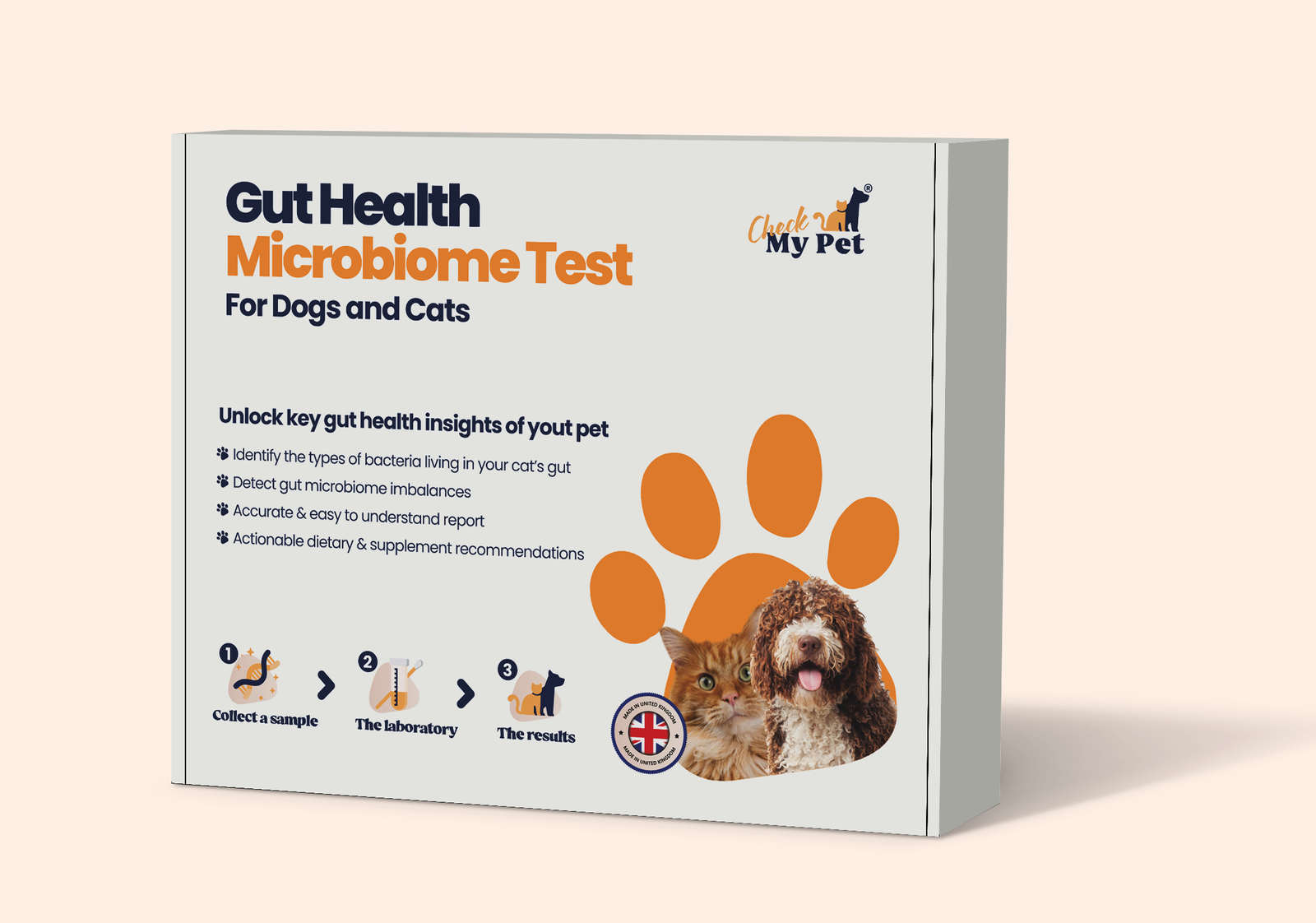
To treat any disease effectively, it’s important to first understand its root cause. The Gut Health Dog Microbiome Test offers a way to assess your dog’s unique gut profile, enabling a more personalized approach to their diet and supplementation, which can significantly improve their gut health.
Gut health is crucial to animal health. It’s an important practice for pet owners to know what can cause issues with the dog via their routine and any illness symptoms from the past or medical history of the dog to avoid them going through a rough patch of illness.